

Preparing learners for tomorrow’s jobs and opportunities
Curriculum-linked, hands-on programmes in Coding and Robotics, AI, STEM, Software and Game Development, Drone Technology and Digital Skills, from Grade R to Grade 12 and beyond.
Future-ready skills, built step by step
Coding & Robotics
Programming, computational thinking, robotics design, automation and practical problem-solving through age-appropriate, hands-on activities.
AI & Data Science
How AI works, foundational machine-learning awareness, and responsible, ethical and informed technology use.
STEM Education
Science, Technology, Engineering and Mathematics programmes that encourage experimentation, design thinking, innovation and practical application of classroom knowledge.
Software & Game Development
From introductory coding to building websites, applications, games and software projects, so learners build practical skills and a project portfolio.
Drone Technology
Drone technology learning and youth development focused on mapping, infrastructure inspection, agriculture, environmental monitoring and other industry applications.
ICT & Digital Literacy
Foundational digital capabilities, including computer applications, networking, cloud technologies and cybersecurity awareness.
Gaming & Game-Based Learning
Educational games that reinforce learning, plus game design, programming, digital creativity, teamwork and supervised gaming clubs.
Educator Development
Training, mentoring, curriculum-linked learning resources and support for practical classroom implementation.
Innovation & Entrepreneurship
Helping young people identify problems, develop solutions and explore pathways into technology-based businesses and employment.
Drone licensing or certification is subject to the relevant regulatory and training requirements.
Transforming classrooms into innovation spaces
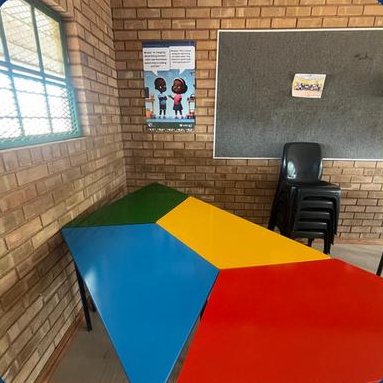
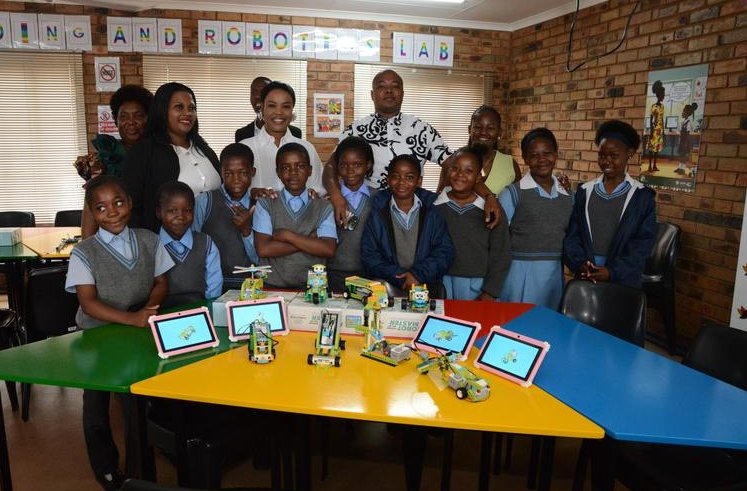
KHOKHO23 establishes school-based Coding and Robotics laboratories and supports technology integration into ordinary classrooms. Our learning environments can combine:
- Coding and robotics kits for hands-on STEM education
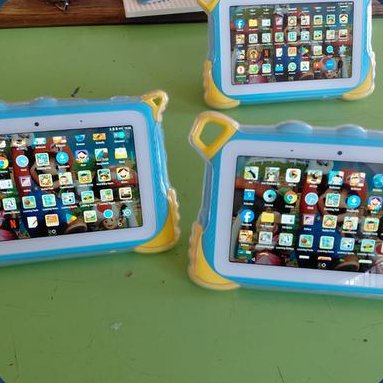
- Laptops, tablets and servers for digital training
- Interactive whiteboards for collaborative learning
- Wi-Fi and networking infrastructure
- Software for coding, AI, robotics, ICT, game development and design
- Other appropriate digital learning tools, including drones
A simple three-stage rollout for every school
Our approach also works for schools with limited resources, through unplugged coding activities, shared devices and phased lab development. No learner is left behind because of a lack of equipment.
Prepare
Assess the school’s needs, engage school leadership, orient educators and plan the learning environment.
Teach
Deliver structured, age-appropriate lessons, support teachers and guide learners through practical projects.
Showcase & Sustain
Celebrate learner achievements through demonstrations, innovation challenges and competitions, while monitoring progress and planning for sustainability.
From Foundation Phase to Grade 12
We teach software development progressively, so a learner who starts in the Foundation Phase can leave Grade 12 able to build real software, with a portfolio of projects to show for it.
| Grade band | Coding, Robotics & AI | Software Development & Gaming |
|---|---|---|
| Foundation Grades R–3 | Unplugged coding through movement, stories and play; floor robots and simple programmable toys; what computers can and cannot do | Logic and puzzle games; following and giving step-by-step instructions; teacher-led play with age-appropriate educational games |
| Intermediate Grades 4–6 | Block-based coding; building and programming simple robots from kits; how machines learn from pictures, sounds and examples | Designing simple games and animated stories; a first interactive app or game built as a team; safe, kind and responsible online behaviour |
| Senior Grades 7–9 | Moving from blocks to text-based coding (e.g. Python); sensors, microcontrollers and automation; training a simple AI model and spotting bias | Web development (HTML, CSS, JavaScript); game design and game logic; mobile app building with a learner portfolio |
| FET Grades 10–12 | Advanced programming and software engineering; machine learning, data science and cybersecurity awareness; robotics and IoT linked to industry challenges | Complete web, mobile and game applications; databases, version control and testing; career pathways into study, learnerships, freelancing and tech businesses |
4IR skills should not be a privilege
Our model works in ordinary public and independent schools, with or without a dedicated lab, so every learner in the class gains skills that are relevant in today’s economy.
- Timetabled and curriculum-linked: lessons are given a regular weekly slot and linked to subjects such as Mathematics, Natural Sciences and Technology, IT and CAT.
- Teacher-led, expert-supported: class teachers are trained and mentored, with ready-made lesson plans and learner workbooks.
- Project-based: learners solve real community problems and present their work at school showcases.
- Responsible AI: learners learn how AI works, where it can be wrong or biased, and how to use it ethically, never as a shortcut for their own work.
- Measured progress: baseline and progress assessments, learner portfolios and regular reports to schools and partners.
What learners leave school with
- Computational thinking: breaking big problems into solvable steps
- The ability to write code and build working software, apps, games and robots
- AI and data literacy, including ethics
- Creativity, collaboration, communication and resilience
- A portfolio of real projects and a clear pathway into study, work, freelancing or entrepreneurship
Learners already love games. We turn that into learning.
Learning through games
Gamified Maths, Science, language and logic activities that make difficult concepts fun and build problem-solving, teamwork and perseverance.
Making games
Learners design, code and publish their own games, learning storytelling, graphics, logic and software development at the same time.
Gaming & e-sports clubs
Supervised after-school clubs and inter-school competitions, with clear age-appropriate content rules and parent and school involvement.
Let’s build the future together
Are you a school, corporate organisation, government department or development partner? Let’s talk about transforming education through technology.